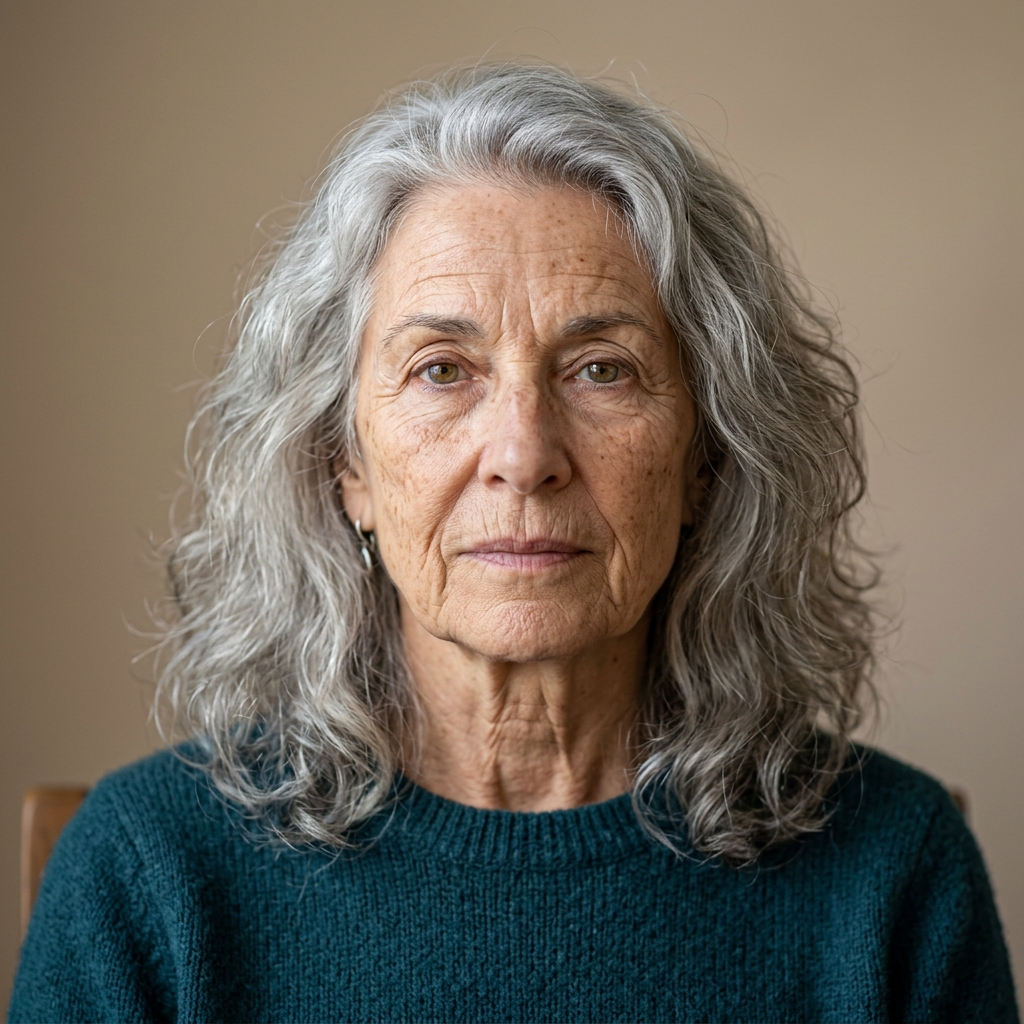
At seventy-four, I had learned to be careful with money.
Not because I wanted to be.
Because life had taught me to be.
My husband, Robert, had been gone for eighteen months.
Forty-six years of marriage had ended with a quiet hospital room, a nurse adjusting a blanket, and a sound I still sometimes heard in my dreams—the flat, endless tone of a machine being switched off.
After Robert died, everything became smaller.
Our house.
Our grocery list.
Our dinners.
Even the amount of milk I poured into my coffee.
I paid rent, utilities, medicine, and groceries first. Whatever remained had to stretch until the next Social Security payment.
There was no room for unnecessary spending.
But there was Benny.
Benny was a fourteen-year-old Chihuahua with cloudy eyes, missing teeth, crooked little legs, and a habit of bumping gently into furniture because he could no longer see.
His previous owner had died.
Benny ended up in a shelter.
He had stayed there for months.
One afternoon, I walked past his kennel.
He lifted his head.
I stopped.
His tail began wagging.
Not wildly.
Just a tiny, hopeful tap against the floor.
I crouched beside him.
“Hello, sweetheart.”
He walked toward my voice until his nose touched the bars.
A volunteer named Maria told me his story.
“He gets excited every time someone stops,” she whispered.
I looked at Benny.
“And then?”
Her smile disappeared.
“When they walk away, he whimpers.”
That sentence broke something inside me.
Because I understood what it felt like to watch someone leave.
So I adopted him.
I didn’t have much.
But I had a warm blanket.
A little food.
A quiet apartment.
And enough love for one old dog who had already lost everything.
Benny became my shadow.
Every morning, he followed the sound of my slippers.
Every night, he slept beside my bed.
And once a week, if I had enough money left after groceries, I took him to a small café near my apartment.
It wasn’t fancy.
But it was warm.
The owner, a broad-shouldered man named Victor, knew me.
At least, I thought he did.
I always ordered the cheapest coffee.
One cup.
Nothing else.
Benny sat quietly beneath my chair.
That morning, I had counted my coins before leaving home.
I had enough for coffee.
Barely.
I walked into the café, ordered my usual, and sat near the window.
Benny curled around my shoes.
For twenty minutes, everything was peaceful.
Then Victor approached.
He looked at my cup.
Then at Benny.
Then back at me.
“You’ve been here almost half an hour.”
I blinked.
“Yes.”
“You only ordered one coffee.”
I didn’t understand.
“Yes.”
His expression hardened.
“We’re a business.”
I felt my cheeks burn.
“I understand.”
“You can’t occupy a table all morning for one cup.”
“I’m sorry.”
He pointed toward the door.
“You need to leave.”
I looked down at Benny.
He was sleeping.
“I’ll go.”
Victor wasn’t finished.
“And the dog can’t be in here anyway.”
I tightened my hand around Benny’s leash.
“He’s very quiet.”
“I don’t care.”
“He’s blind.”
Victor shrugged.
“Still a dog.”
I slowly stood.
Benny woke up and immediately began searching for me.
His nose moved from side to side.
I whispered, “I’m here.”
He pressed against my ankle.
I bent down to pick him up.
Then a man’s voice came from behind me.
“Wait.”
Everyone turned.
A stranger had been sitting alone at the counter.
He looked to be in his late fifties.
Gray jacket.
Silver watch.
No expression on his face.
He stood.
“Ma’am, don’t leave yet.”
Victor frowned.
“This doesn’t concern you.”
The stranger ignored him.
Instead, he looked at Benny.
He stared for several seconds.
Then his eyes widened.
“Where did you get that dog?”
I hesitated.
“The shelter.”
“What shelter?”
I told him.
His face changed.
He looked at Victor.
Then back at Benny.
“What was the dog’s name before you adopted him?”
“Benny.”
The stranger shook his head.
“That isn’t his original name.”
My stomach tightened.
“What do you mean?”
He stepped closer.
“His name was Winston.”
I stared at him.
Benny lifted his head.
The stranger crouched.
“Winston?”
Benny’s ears moved.
The man reached into his pocket.
He pulled out his phone.
Victor suddenly looked nervous.
“Sir,” Victor said, “whatever this is—”
The stranger held up one hand.
“Do you know whose dog she’s holding?”
Victor laughed nervously.
“No. And frankly, I don’t care.”
The stranger looked directly at him.
“Then you should probably sit down.”
Victor’s smile disappeared.
The stranger unlocked his phone.
“I’ve been looking for this dog for fourteen months.”
My mouth went dry.
“Why?”
He looked at me.
“Because Winston belonged to my father.”
He showed me a photograph.
An elderly man was sitting in a garden.
On his lap was a much younger Chihuahua.
Same crooked ear.
Same white patch beneath the chin.
Same tiny black nose.
Benny.
I covered my mouth.
“My father died fourteen months ago,” the stranger said.
I whispered, “I’m sorry.”
“He didn’t have much family.”
He paused.
“But he had one thing he cared about more than anything.”
He looked at Benny.
“His dog.”
Benny slowly walked toward him.
The stranger reached down.
Benny sniffed his hand.
Then he began trembling.
Not from fear.
Recognition.
The stranger’s eyes filled with tears.
“Winston.”
Benny pressed his face against the man’s palm.
The entire café had gone silent.
I looked at Victor.
He had gone pale.
But I didn’t understand why.
The stranger stood.
“My father’s name was Samuel Reed.”
Victor took a step backward.
The stranger noticed.
“You know that name?”
Victor swallowed.
“No.”
“That’s interesting.”
The stranger turned toward me.
“My father owned this building.”
I stared at him.
Victor suddenly interrupted.
“That doesn’t prove anything.”
The stranger smiled.
“I haven’t shown you the important part yet.”
He opened another file on his phone.
It contained an old photograph of the café.
The same windows.
The same brick wall.
The same wooden counter.
But the sign outside was different.
It read:
REED’S COFFEE HOUSE
The stranger said quietly, “My father opened this place thirty-two years ago.”
Victor said nothing.
“He ran it for twenty years.”
Still nothing.
“And then, eleven years ago, he sold the business.”
The stranger turned his phone toward Victor.
Victor’s face had completely changed.
The stranger continued.
“My father kept the building.”
Victor whispered, “That was a long time ago.”
“Yes.”
“Things changed.”
“Not the lease.”
Victor’s eyes dropped.
I felt something cold move through me.
“What lease?”
The stranger looked at me.
Then at Benny.
Then back at Victor.
“My father left very specific instructions about this café.”
Victor suddenly snapped.
“You don’t have the right to come in here and threaten me!”
The stranger calmly opened another document.
“I haven’t threatened you.”
He turned the screen toward Victor.
“I’ve only come to enforce my father’s final instructions.”
Victor stared at the document.
His lips parted.
No words came out.
The stranger finally looked at me.
“Mrs. Harris, I owe you an apology.”
“For what?”
“For taking so long to find you.”
I frowned.
“Find me?”
He nodded.
“My father left instructions that if Winston ever disappeared, whoever rescued him was to be rewarded.”
I laughed nervously.
“I don’t want a reward.”
“You don’t understand.”
He turned toward Victor.
“My father also left instructions concerning this café.”
Victor’s hands began shaking.
The stranger said:
“Every month, a portion of the café’s profits was supposed to be donated to elderly customers who couldn’t afford meals.”
I stared.
“He wanted people to have somewhere warm to sit,” the stranger continued. “He specifically wrote that nobody was ever to be humiliated for ordering only one coffee.”
My eyes filled with tears.
Victor looked away.
Then the stranger said the sentence that made the entire café gasp.
“And Mrs. Harris isn’t just one of the people my father wanted to help.”
He handed me a folder.
I opened it.
Inside was a photograph of Robert.
My husband.
My hands began trembling.
“What is this?”
The stranger’s voice softened.
“My father and your husband were business partners.”
I couldn’t breathe.
“That’s impossible.”
“Your husband helped my father build this café.”
I stared at Robert’s photograph.
Then I saw something else.
A handwritten note.
I recognized the handwriting immediately.
Robert’s.
It said:
If anything ever happens to me, make sure she never knows what I did for her. She’ll refuse the help. That’s the woman I married.
I began crying.
The stranger continued.
“Your husband secretly paid into a fund for you every month.”
I shook my head.
“No.”
“He knew you would never accept charity.”
My fingers tightened around the letter.
“So he didn’t call it charity.”
The stranger smiled sadly.
“He called it repayment.”
“Repayment for what?”
He looked at Benny.
“For something that happened forty-seven years ago.”
I stared at him.
Then he told me the truth.
Before Robert became my husband, before we had our first home, before either of us had much money, Robert had been struggling.
He had been twenty-seven.
Samuel Reed had given him a job.
But Robert wasn’t the only person Samuel helped.
One winter night, Robert found a frightened woman outside the café.
She had no money.
No family.
And a baby wrapped in a thin blanket.
That woman was me.
I had forgotten the café completely.
But Robert never had.
Samuel gave us both food.
He gave Robert work.
And he told him something Robert carried for the rest of his life:
“One day, when you’re able, help somebody else who thinks nobody sees them.”
Robert had spent forty-six years doing exactly that.
Quietly.
Without telling me.
And after he died, Samuel’s son had continued the promise.
Until that morning.
Until Victor decided that one old woman and one blind dog weren’t worth a table.
The stranger looked at Victor.
“My father’s lease also gives me the right to terminate the business if the owner violates the charitable conditions.”
Victor sat down.
The confidence had completely disappeared from his face.
The café became silent.
Then Benny tugged gently at my dress.
I looked down.
His tail was wagging.
For the first time that day, I smiled.
I looked at the stranger.
“What happens now?”
He smiled.
“Now?”
He pointed toward the empty table by the window.
“You sit down.”
Then he turned toward Victor.
“And nobody charges her for coffee.”
I sat.
Benny curled beneath my chair.
A few minutes later, someone placed a second cup on the table.
I looked up.
The stranger smiled.
“This one’s on the house.”
I shook my head.
“No. One is enough.”
He laughed softly.
“I know.”
And somehow, that made me cry harder than anything else.
Because sometimes the people who love us don’t leave us money.
They leave behind promises.
And sometimes, the smallest creature we rescue…
is the one who leads someone back to us.
Related posts